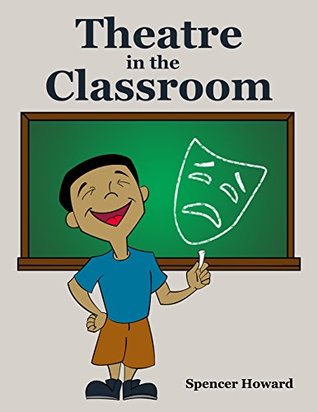
Full Download Theatre in the Classroom: Learning Through the Arts - Spencer Howard file in ePub
Related searches:
The art of teaching; theatre techniques for the classroom UCL
Theatre in the Classroom: Learning Through the Arts
Using Drama and Theater in the Classroom to Promote Literacy
The Classroom is a Stage: Teaching as Theater, Theater as
Engaging the Whole Student - Vanderbilt Center for Teaching
Theatre in the Classroom, Grades 6-12: Methods and - Amazon.com
Engaging the Whole Student: Interactive Theatre in the Classroom
The Value of Theatre Education in Today’s Classroom
Integrating Drama in the Classroom With Theatre Games EdCloset
Ludlam Dramatics- Classroom Resources for the Theatre Teacher
Theatre in the Classroom, Grades 6-12 - Methods - Waveland Press
The operating theatre as classroom: a qualitative study of learning
Engaging the Non-Theatre Student in the Drama Classroom - The
The Arts and Learning: Theatre and Success in the Classroom
Ten Powerful Benefits of Using Drama in the Classroom
Puppet Teaching – 22 Ways To Use Them In The Classroom
This is the old classic activity, but it really works well if you do a bit of adult modelling to get it going. Have some kind of curtain or mini-theatre, or even just a few puppets in a designated area can work. It is good to lay some ground-rules like the puppets don’t fight!.
To learn theatre you have to take an active role in the classroom to really learn. This involves writing, writing plays, reviews of shows and yes, even papers. A common practice for theatre classes is to give extra credit for students seeing theatre outside the school, and write a review of their experience in live theatre.
They are also honing their memorization skills by perhaps remembering a few lines. Theatre is also an enjoyable tool to teach basic life skills: listening, following directions, respect, and communication. Most importantly, classroom theatre is accommodating for visual, auditory, and hands-on learners.
Classroom arts programs sundog theatre offers arts-in-education stimulating programs in theatre, music, dance and the visual arts for classes ranging from kindergarten to high school seniors. Sundog’s arts programs are designed to enhance the classroom lessons while remaining compliant with ny state common core learning standards.
Teachers might be afraid that children will not take learning seriously. In light of these factors that hinder teachers in the use of drama and theatre in classroom.
Engaging the whole student: interactive theatre in the classroom augusto boal's interactive theatre of the oppressed (to) provides embodied learning.
All the classroom is a stageand all the teachers and students merely players. Let's riff off shakespeare today and draw parallels between education and acting.
In drama activities, the students are doing something with information as opposed to receiving the information. They move, create, experiment, question, discuss, write, sketch, revise, rehearse, and perform.
I am so grateful to bryce for giving me a place to share a passion of mine – using theatre as a learning tool in the classroom. For many educators, incorporating theatre techniques as part of the curriculum can seem overwhelming, intimidating, and simply not worth the time and effort when there are so many other things that need to be done.
He believes theatre learning must go beyond the study and performance of established play scripts and stresses the importance of productions written, directed,.
The arts in every classroom: a video library k-5 how can theatre be incorporated into the curriculum to teach other subject 0 introducing arts education.
Edition, theatre in the classroom, grades 6–12, equips prospective theatre teachers with key instructional methods and proven strategies for student learning.
Theatre in the high school classroom is still fun for students and it is an advantageous teaching and learning tool. If your school does offer a program or classes, students may partake for a variety of reasons.
The arts, especially theatre, are a great learning experience, challenging students in the classroom and outsde. How can theatre enrich a lifetime of learning? in champions of change: the impact of the arts on learning, the preeminent study on the usefulness and importance of the arts as a teaching and achievement tool, richard riley, secretary, department of education, wrote.
And in the absence of a drama program in the school, the rest of us should provide students access to the standards, skills, and concepts of this content area for their benefit. Through participation in theatre, students develop speaking and listening skills. Students collaborate with others in accomplishing common goals.
Our posters, bumper stickers, bracelets and coins will motivate all of the students in your drama class.
The operating theatre as classroom: a qualitative study of learning and teaching surgical competencies.
And one thing we do in the dta is we offer monthly live online plcs, professional learning communities, for our members.
Apr 29, 2020 the pandemic cut short the academic year for me and my high school theatre students, but we are finding ways to connect---and some silver.
Aug 17, 2017 drama has been also recognized as a powerful learning medium because it creates a context for children to relate to their lived experience.
But indulge me for the next few minutes and allow me to outline a few benefits theatre could bring to your classroom. Teaches empathy theatre techniques and activities ask students to walk a mile in someone else’s shoes, take the position of a new character and see things from another point of view. It is an excellent way to work on the skill (yes skill) of empathy in the classroom.
Two specialists work on basic theatre skills with children of various ages, and use theatre education as a gateway to other kinds of learning. At lusher alternative elementary school in new orleans, amanda newberry's lesson in improvisation with a third–grade class stimulates students' imagination, heightens language and listening skills, and encourages critical thinking.
In theatre, as in other content areas, students learn and develop skills through regular daily instruction.
Numerous studies indicate that using drama in the classroom as a means of teaching helps students learn academically, socially, and developmentally. Drama is an invaluable tool for educators, since it supports every aspect of literacy development. Drama has been also recognized as a powerful learning medium because it creates a context for children to relate to their lived experience.
The arts, including drama, address this issue by catering to different styles of learning, and engaging students who might not otherwise take significant interest in academics. Additionally, research indicates that drama courses and performance have a particularly positive effect on at-risk youth and students with learning disabilities.
Post Your Comments: