Read Online On Genocide: and a Summary of the Evidence and the Judgments of the International War Crimes Tribunal - Jean-Paul Sartre file in ePub
Related searches:
United Nations Office on Genocide Prevention and the
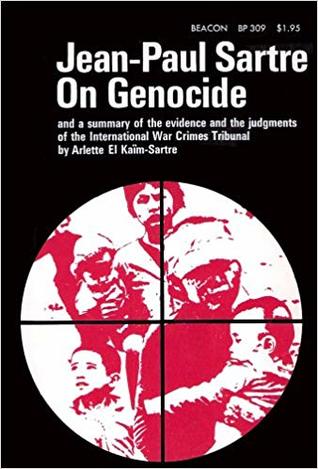
On Genocide: and a Summary of the Evidence and the Judgments of the International War Crimes Tribunal
Rwanda (Chapter 5) - Genocide and the Europeans
The Order of Genocide: Race, Power, and War in Rwanda Foreign
The History and Sociology of Genocide: Analyses and Case Studies
Inside The Native American Genocide And Its 500 Years Of Terror
Summary about the Rwanda Genocide Essay Example Topics and
Darfur and the Crime of Genocide - Cambridge Core
Case Law of the International Criminal Tribunal for Rwanda
A Summary of the Guatemalan Genocide Trial Cultural Survival
Summary: Genocide and Atrocities Prevention Act, Friends
1994 Rwandan genocide, aftermath: Facts, FAQs, and how to help
Editors' Introduction: Changing Themes in the Study of Genocide
Summary of 10 Stages of Genocide (and the USA today) Reason
A Short History of the Rwandan Genocide - ThoughtCo
A Summary of the Rwandan Genocide - Polytechnic School
Cambodia Holocaust and Genocide Studies College of Liberal
From Genesis to Genocide The MIT Press
Summary of Living a Genocide: The Children of Darfur USF Library
The Armenian Genocide (1915-16): Overview Holocaust
THE EIGHT STAGES OF GENOCIDE - Keene State College
Outreach Programme on the 1994 Genocide Against the Tutsi in
The Darfur Genocide – The Holocaust Explained: Designed for
The Uyghur Genocide: An Examination of China's Breaches of
The Darfur Genocide in Sudan - History, Facts & Causes
Herero and Namaqua genocide - Wikipedia
The Ten Stages of a Genocide - Montreal Holocaust Museum
We Charge Genocide - The 1951 Black Lives Matter Campaign
Us and Them: Identity and Genocide - DigitalCommons@University
Summary of the Article Bystanders to Genocide standers to
The Cambodian Genocide – The Holocaust Explained: Designed for
Rwanda's Ordinary Killers: Interpreting Popular Participation in the
Understanding Causes and Consequences - About - Modern Genocide
The Cambodian Genocide: Summary, Facts & Statistics - Video
The Bosnian Genocide: Summary, Facts & Statistics - Video
10 Little-Known Facts About the Cambodian Genocide
The Cambodian Genocide, 1975-1979 - NIOD
Where is America At on the 8 Stages of Genocide? Will It
A Review of Christianity and Genocide in Rwanda – INTEGRATED
Why President Biden should recognize the Armenian Genocide
How Could God Command Genocide in the Old Testament?
Summary on the 20 th anniversary of the 1994 genocide in rwanda, human rights watch stands in solidarity with the victims and with those who survived.
Straus' ambition is to examine the 1994 rwandan genocide through a social science lens. Based on a careful reading of both primary and secondary sources,.
The theory that state influence alone can trigger genocide is an insufficient explanation of the 1994 genocide of tutsis by hutus in rwanda.
Rwandan genocide – africa’s most brutal genocide in modern history. In 1994, armed group of rwandan hutus butchered close to one million people, with majority of those deaths inflicted upon the tutsi minority group. The rwandan genocide is reasoned to have begun in the rwandan capital city of kigali before quickly engulfing other parts of the east-central african nation.
After the genocide, over one million people were potentially culpable for a role in the genocide, nearly one fifth of the population remaining after the summer of 1994. The rpf pursued a policy of mass arrests for those responsible and for those persons who took part in the genocide, jailing over 100,000 people in the two years after the genocide.
Genocide is a human phenomenon that can be analysed and understood. It is is a process that develops in ten stages, described here.
The ideology of genocide along with stalinist and maoist models, an underlying theme of the political worldview of the pol pot group was a concern for national and racial grandiosity.
In 2019, both houses of congress approved by overwhelming majorities resolutions (783 and 780) recognizing publicly the armenian genocide. The senate’s summary is as follows: “that it is the sense of the senate that it is the policy of the united states — (1) to commemorate the armenian genocide through official recognition and remembrance;.
On april 6, 1994, hutus began slaughtering the tutsis in the african country of rwanda. As the brutal killings continued, the world stood idly by and just watched the slaughter. Lasting 100 days, the rwandan genocide left approximately 800,000 tutsis and hutu sympathizers dead.
Summary of 10 stages of genocide (and the usa today) september 11, 2017 genocide. Stanton has served as the president of the international association of genocide scholars, and now leads genocide watch, a non-profit organization dedicated to the fight against genocide.
Genocide is the physical destruction of an ethnic group and the most extreme expression of racism. During the 1970s and 1980s, the mayan people of guatemala experienced a brutal genocide, perpetrated mainly by the guatemalan state under a racist and terrorist policy designed to protect and strengthen the political and economic power of an embattled social elite.
The bosnian genocide refers specifically to the massacre of 8,000 muslims in a bosnian town in july 1995, but this massacre was just the low point of a civil war in the area that lasted from 1992.
The genocide of the native culture the thinking of a dominant white society and the savageness of native culture is the background of the on-going struggle against cultural genocide of first nations people all across canada.
“ethnic cleansing” and genocide refer to destruction of a people due to their ethnicity, and therefore this would be an inappropriate category for the destruction of the canaanites. Why was it necessary to remove the canaanites from the land? in america we talk about the separation of “church” and “state.
From may 2015 through october 2016, the baylor university institute for oral history conducted fourteen oral histories with survivors of the genocides in cambodia.
Nov 22, 2017 croats from serb-claimed territory in bosnia-herzegovina, through the commission of the crimes charged in the indictment, including genocide,.
Oct 14, 2009 the word came into general usage only after world war ii, when the full extent of the atrocities committed by the nazi regime against european.
A summary of the rwandan genocide the genocide on 6 april 1994, the deaths of the presidents of burundi and rwanda in a place crash caused by a rocket attack, ignited several weeks of intense and systematic massacres. The killings - as many as 1 million people are estimated to have perished - shocked the international community.
We use cookies to distinguish you from other users and to provide you with a better experience on our websites.
Concept of genocide and the occurrences on august 24, 1941, after germany’s surprise attack of soviet russia on june 22, on a live broadcast from london, british prime minister winston churchill mentioned genocide as “crime without a name”.
Genocide is a deliberate, co-ordinated plan to destroy a group of people, usually members of a certain national, ethnic or religious group. The term “genocide” did not exist prior to 1944, but examples of its occurrence� such as the armenian genocide of 1915, pre-date this.
Darfur and the crime of genocide is at once a documentation of atrocities against civilians in darfur, a recounting of the united states government’s response to the atrocities, a sociological analysis of the dynamics of genocide both generally and in darfur, a critical historical analysis of the academic discipline of criminology, and a call for greater involvement of criminologists in the prosecution of genocide. The evidence presented in the book, and the techniques used to amass.
Rwanda genocide of 1994, planned campaign of mass murder in rwanda that occurred over the course of some 100 days in april–july 1994. The genocide was conceived by extremist elements of rwanda’s majority hutu population who planned to kill the minority tutsi population and anyone who opposed those genocidal intentions.
Genocides have persisted around the world for centuries, yet the debate persists about what intentions and subsequent actions constitute an actual genocide. As a result, some crimes against humanity, targeted rape campaigns, and widespread displacement of marginalized groups of people around the globe have not been formally recognized as a genocide by world powers while others have.
In his analysis, stanton identified 8 key stages related to the process of genocide? classification symbolization dehumanization organization polarization preparation, extermination and denial. Stanton defines genocide as “a process that develops in eight stages that are predictable but not inexorable.
Apr 17, 2013 the victims have waited for over 30 years for justice to be served for the atrocities committed against guatemala's indigenous people, and finally,.
Genocide results in revenge killings by groups against each other, creating the downward whirlpool-like cycle of bilateral genocide (as in burundi). At this stage, only rapid and overwhelming armed intervention can stop genocide. Real safe areas or refugee escape corridors should be established with heavily armed international protection.
During their brutal four-year rule, the khmer rouge was responsible for the deaths of nearly a quarter of cambodians.
Between 1830 and 1850, the government forced nearly 100,000 native americans off of their homelands. The dangerous journey to “indian territory” in present-day oklahoma is referred to as the “ trail of tears�” where thousands died of cold, hunger, and disease.
Standers to genocide samantha power summary in the course of hundred days in 1994 the hutu government of rwanda and its extremist allies murdered some.
This article describes the state of genocide studies, historicization, and causation, placing genocide into its historical context, and genocide in the world today.
The convention on the prevention and punishment of the crime of genocide, adopted by the un general assembly on december 9, 1948, lays out the criteria for what acts are to be considered genocide.
Turkey has steadily refused to recognize that the events of 1915–16 constitute a genocide, even though most historians have concluded that the deportations and massacres do fit the definition of genocide—the intentional killing of an ethnic or religious group. While the turkish government and allied scholars have admitted that deportations took place, they maintain that the armenians were a rebellious element that had to be pacified during a national security crisis.
Armenian genocide, campaign of deportation and mass killing conducted against the armenian subjects of the ottoman empire by the young turk government during world war i (1914–18). Armenians charge that the campaign was a deliberate attempt to destroy the armenian people and, thus, an act of genocide.
Genocide is a deliberate, co-ordinated plan to destroy a group of people, usually members of a certain national, ethnic or religious group. The term “genocide” did not exist prior to 1944, but examples of its occurrence, such as the armenian genocide of 1915, pre-date this.
What is genocide? genocide is an internationally recognized crime where acts are committed with the intent to destroy, in whole or in part, a national, ethnic, racial, or religious group. These acts fall into five categories: killing members of the group. Causing serious bodily or mental harm to members of the group.
The un defines genocide as killing or physical destruction, 'committed with intent to destroy, in whole or in part, a national, ethnical, racial or religious group.
The genocide against the tutsi in rwanda finally ended in july 1994, when the rpf regained control of the country. In just 100 days, an estimated 800,000 to one million people were killed. In the genocide’s aftermath, many steps have been taken to pursue recovery and reconciliation.
The canadian museum for human rights is located on ancestral lands, on treaty 1 territory.
In 1951, the civil rights congress (affiliated with the communist party) engaged in a campaign to hold the united states accountable for genocide against.
Jean-paul akayesu, former bourgmestre (mayor) of the taba commune, was convicted of genocide, crimes against humanity (extermination, murder, rape, torture,.
Genocide is often understood as a crime committed predominantly through organized mass killings—the majority of victims of which, both historically and today, tend to be male. Consequently, non-killing acts of genocide—more likely to be directed against female members of a protected group—are often cast.
Atrocities crimes, particularly genocide and crimes against humanity, are not spontaneous acts. Instead, they develop as a process over time, as a result of which it is possible to identify.
The guatemalan government, using the guatemalan army, began a systematic campaign of repressions and suppression against the mayan indians, whom they claimed were working towards a communist coup. What was the duration of the genocide? the guatemalan genocide lasted from 1981 to 1983.
The genocide convention was the first human rights treaty adopted by the general assembly of the united nations on 9 december 1948 and signified the international community’s commitment to ‘never.
This term is generally used to refer to any serious breaches of international humanitarian law committed against civilians or enemy combatants during.
One hundred stories were shared of watching loved ones slaughtered, of being run out of homes, often to starve in the wilderness and of being rounded up into internment camps and forced into civil defense patrols. In her testimony, rosa santiago described the massacre of 96 people on april 3, 1982.
Sometimes called the first genocide of the twentieth century, the armenian genocide refers to the physical annihilation of armenian christian people living in the ottoman empire from spring 1915 through autumn 1916. 5 million armenians living in the multiethnic ottoman empire in 1915.
Abc-clio is an award-winning publisher of reference, contemporary thought, and professional development content, created to help students, educators,.
This online exhibition features drawings by darfuri children living in refugee camps in eastern chad.
During 1975 to 1979 the khmer rouge, the communist party in cambodia, led by pol pot� committed genocide against an estimated two million cambodians.
The herero genocide has commanded the attention of historians who study complex issues of continuity between the herero genocide and the holocaust. It is argued that the herero genocide set a precedent in imperial germany that would later be followed by nazi germany 's establishment of death camps�.
In the present convention, genocide means any of the following acts committed with intent to destroy, in whole or in part, a national, ethnical, racial or religious group, as such: killing members.
Review of ward churchill, a little matter of genocide: holocaust and denial in the americas.
Genocide is a term used to describe violence against members of a national, ethnic, racial or religious group with the intent to destroy the entire group.
In 1944, polish jewish lawyer raphael lemkin (1900-1959) coined the term genocide in a book documenting nazi policies of systematically destroying.
The 1994 genocide in rwanda happened in 100 days leaving scores of people injured, separated and the majority of its victims dead. The cause of the genocide has been attributed to the tension between two ethnic groups.
Genocide: a comprehensive introduction is the most wide-ranging textbook on genocide yet published.
Apr 1, 2019 april 2019 marks the 25th anniversary of the 1994 rwandan genocide.
The genocide, which occurred in a span of 100 days, was perpetrated in the context of a civil war that took place between october 1990 and august 1993.
A genocide is defined as a mass killing of a certain group of people based on their religion, ethnicity or cultural background. A crime against humanity is considered to be when a group of people are subjected to humiliation, suffering and death on a mass scale by another group. The bosnian genocide occurred in the former country of yugoslavia between 1992 to 1995.
Genocide, the deliberate and systematic destruction of a group of people because of their ethnicity, nationality, religion, or race.
Post Your Comments: