Read Biocatalysis in the Pharmaceutical and Biotechnology Industries - Ramesh N. Patel file in PDF
Related searches:
Biocatalysis in the pharmaceutical and biotechnology industries
Biocatalysis in the Pharmaceutical and Biotechnology Industries
Biocatalysis in the Pharmaceutical and - Amazon.com
Biocatalysis In The Pharmaceutical And Biotechnology Industries
Biocatalysis for the synthesis of pharmaceuticals and
[PDF] Biocatalysis for the synthesis of pharmaceuticals and
Biocatalytic and enzymatic technologies for pharmaceutical fine
Recent advances in biocatalyst development in the pharmaceutical
Biocatalysis in the Pharmaceutical Industry: The Need for
Biocatalysis for pharmaceutical intermediates: the future is
Plug and play enzymes for an accelerated uptake of Biocatalysis in
Biocatalysis for the pharmaceutical industry : discovery
Opportunities for the pharmaceutical industry: key biotransformation
Home - Biocatalysts Ltd: Enzyme Development and Manufacture
Biocatalysis for the Pharmaceutical Industry: Discovery
Biocatalysis for the Improved Manufacture of an Active
Ketone Reductase Biocatalysis in the Synthesis of Chiral
Biocatalysis for the Production of Pharmaceutical Intermediates
Centre of Excellence for Biocatalysis, Biotransformations and - INRA
Extending the application of biocatalysis to meet the challenges of
Combining Biocatalysts and Semi-Synthesis to (Bio - Iris Publishers
Biocatalysis in pharmaceutical preparation and alteration.
Biocatalysis in the Pharmaceutical Industry. A Greener Future
Thus, biocatalysis provides processes which are shorter, produce less waste and reduce manufacturing costs and environmental impact. These features are even more significant in drug synthesis, because it is well known that pharma industry is the most waste-producers.
Pharmaceutical scientists developing a drug with a biocatalytic route often start with an existing enzyme. During early development, where speed to produce api is typically more important than optimal performance, that reaction may work fine.
Biocatalytic processes differ from conventional chemical processes, owing mainly to enzyme kinetics, protein stability.
The biocatalysts employed for api synthesis include hydrolytic enzymes, alcohol dehydrogenases, laccases, imine reductases, reductive aminases, peroxygenases, cytochrome p450 enzymes, polyketide synthases, transaminases, and halogenases. Many of them have been improved with respect to their properties by engineering methods.
Biocatalysts is a speciality enzyme development and manufacture company. Find out how our product and services offering can exceed your enzyme.
Biocatalysis for the improved manufacture of an active pharmaceutical ingredient (api) reduction of carbon footprints and identification of “green”, sustainable alternatives to fossil fuels are drivers across many industries, including speciality chemical and pharmaceutical manufacture.
Volume 7 of the jenny stanford series on biocatalysis deals with several different aspects of pharmaceuticals, which include not only various applications of drugs and their metabolism but also natural resources for active pharmaceutical ingredients as well as the removal of pharmaceutical pollution. In detail, novel approaches for developing microbial fermentation processes to produce vitamin b6 using microorganisms are described together with novel routes for vitamin b6 biosynthesis.
Abstract the use of biocatalysis in the pharmaceutical industry continues to expand as a result of increased access to enzymes and the ability to engineer those enzymes to meet the demands of industrial processes. However, we are still just scratching the surface of potential biocatalytic applications.
Biocatalysis for the improved manufacture of an active pharmaceutical ingredient (api) reduction of carbon footprints and identification of “green”, sustainable alternatives to fossil fuels are drivers across many industries, including speciality chemical and pharmaceutical manufacture. Although biocatalysis can facilitate the transition away from fossil fuels, few chemical manufacturers have experience with enzymes, and the application of economically viable industrial manufacturing.
Sep 17, 2019 enzymes, biocatalysis, green chemistry, precursors, pharmaceutical industry, statins.
Biocatalysis is rapidly evolving into a key technology for the discovery and production of chemicals, especially in the pharmaceutical industry, where high yielding chemo-, regio-, and enantioselective reactions are critical. Taking the latest breakthroughs in genomics and proteomics into consideration, biocatalysis for the pharmaceutical industry concisely yet comprehensively discusses the modern application of biocatalysis to drug discovery, development, and manufacturing.
May 17, 2019 combining biocatalysts and semi-synthesis to (bio).
May 29, 2019 pharma's almanac magazine synthesis is making biocatalysis attractive for the production of chiral pharmaceutical intermediates and apis.
Biocatalysis reactions adhere to green chemistry principles, offering an effective tool for cost-efficient, sustainable manufacturing. Biocatalysis is a proven technology for some prominent active pharmaceutical ingredients synthesis dinesh nair from our biocatalysis team explains that pregabalin is an example of successful chemo-enzymatic synthesis.
Biocatalysts are increasingly employed as more efficient and environmentally safer alternatives to traditional chemical catalysts in the manufacturing of fine.
Oct 30, 2019 the rational design and construction of engineered biocatalysts and multi- enzyme pathways that are capable of the efficient conversion of simple,.
Biocatalysts can also be used to replace chemical catalysts, and this has the advantage that toxic by-products.
The platform will address the needs of the pharma industry for performing essential biocatalytic reactions suitable for the production of million fold applied chiral.
Biocatalysis is one of the most promising technologies for the sustainable synthesis of molecules for pharmaceutical, biotechnological and industrial purposes. From the gram to the ton scale, biocatalysis is employed with success.
Get biocatalysis at piramal pharma solutions to process drug discovery and development with a highly efficient enzyme catalyst for api services worldwide.
The use of biocatalysis in the pharmaceutical industry continues to expand as a result of increased access to enzymes and the ability to engineer those enzymes to meet the demands of industrial processes. However, we are still just scratching the surface of potential biocatalytic applications.
Biocatalysis has been increasingly used for pharmaceutical synthesis in an effort to make manufacturing processes greener and more sustainable.
The production of single enantiomers of drug intermediates has become increasingly important in the pharmaceutical industry.
Scenario of biocatalysis in pharmaceuticals industries and its pertinent applications.
Biocatalysis is rapidly evolving into a key technology for the discovery and production of chemicals, especially in the pharmaceutical industry, where high.
Abstract: biocatalysis over the past few years has maturedinto an essential tool for modern,cost effec-tive and sustainable pharmaceutical manufacturing. While some reaction classes are wellestablished,and may evenbethe option of first intent, other more re-cently discovered enzyme classes are being rapidly.
Biocatalysis over the past few years has matured into an essential tool for modern, cost effective and sustainable pharmaceutical manufacturing. While some reaction classes are well established, and may even be the option of first intent, other more recently discovered enzyme classes are being rapidly developed both in academia and industry.
This review focuses on the development of novel biocatalytic pharmaceutical processes to replace chemical routes with poorer process efficiency and higher.
The pharmaceutical industry requires synthetic routes to be environmentally compatible as well as to fulfill the demands of process economics and product specification and to continually reduce development times. Biocatalysis has the potential to deliver 'greener' chemical syntheses, and in this review some of these opportunities are outlined and outstanding challenges presented.
Biocatalysis is an important and enabling tool in the syntheses of pharmaceutical molecules. The high degree of selectivity afforded by enzymatic catalysts is well matched to the levels of purity required by pharmaceutical synthesis, and this has been exploited to enable the production of pharmaceutical apis.
Biocatalysis has been increasingly used for pharmaceutical synthesis in an effort to make manufacturing processes greener and more sustainable. Biocatalysts that possess excellent activity, specificity, thermostability and solvent-tolerance are highly sought after to meet the requirements of practical applications.
A range of generic active pharmaceutical ingredients were examined for potential chiral alcohol motifs and derivatives within their structures that could be employed as key synthetic intermediates. For seven generic active pharmaceutical ingredients (apis), eight precursor ketones were acquired and then subjected to reduction by 400 commercially available ketone reductases from different.
Biocatalysis has the potential to deliver 'greener' chemical syntheses, and in this review some of these opportunities are outlined and outstanding challenges.
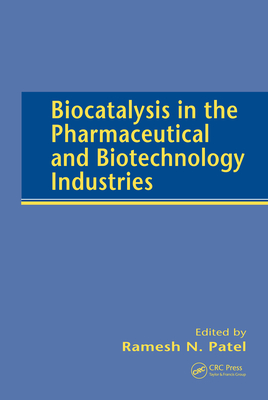
Biocatalysis in the pharmaceutical and biotechnology industries examines the use of catalysts to produce fine chemicals and chiral intermediates in a variety of pharmaceutical, agrochemical, and other biotechnological applications.
We provide rapid enzyme screening coupled with development and scale-up expertise to provide biocatalytic solutions to your chemistry challenges.
Mar 13, 2018 lab coat or mammoth hide, scientists never change. What does change is how the pharmaceutical industry uses biocatalysis.
Biocatalysis is one of the greenest technologies for the synthesis of chiral molecules due to exquisite regioselectivity and stereoselectivity in water under mild conditions. For example, protection and deprotection of functional groups are usually not required for biotransformations, high or low temperature.
Application of biocatalysis in the pharmaceutical industry despite the advantages that enzymes can bring, their use in the pharmaceutical industry has not been wide-spread.
Because enzyme-catalyzed reactions exhibit higher enantioselectivity, regioselectivity, substrate specificity, and stability, they require mild conditions to react.
Post Your Comments: