Full Download Nonconformist Religion in England: The Struggle for Freedom of Religion - W.B. Selbie file in ePub
Related searches:
Online record of 'religious dissenters' published for first time
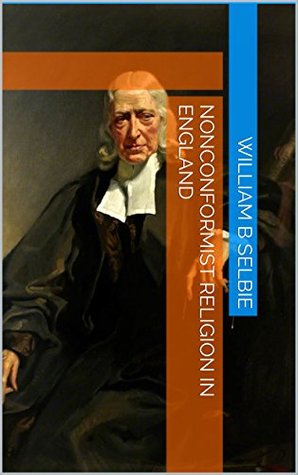
Nonconformist Religion in England: The Struggle for Freedom of Religion
English Quakers campaign for freedom of religion, 1647-1689
The nonconformists were members of several protestant groups outside the church of england. They included in their ranks the old dissenters, denominations.
What was the main religion in the 17th century? at the end the 17th century, the anglican religion imposes itself officially, while also tolerating all its nonconformist tendencies, and definitely distancing all catholic pretenders from the throne of england.
A member of a protestant church not observing the doctrines, usage, or polity of a national or established church, especially the church of england.
Nonconformist was a term used in england after the act of uniformity 1662 to refer to an english subject belonging to a non-christian religion or any non-anglican church. It may also refer more narrowly to such a person who also advocated religious liberty.
The quakers wished to be able to freely practice their religion in england. With other religious groups that were not part of the establishment (nonconformists),.
How the ‘struggle for existence’ of religious groups who were initially concerned with ‘establishing an identity of their own’ became ‘ the struggle for equality’ among both nonconformist religious minority groups in the nineteenth century as well as among twentieth century muslim uk citizens of predominantly migrant and minority ethnic origin is examined.
Christian protestant religion of england, wales and northern ireland, since it primarily denotes a refusal to conform to the requirements of the church of england.
In england nonconformists refused to confirm to the doctrine of the established anglican church of england.
Denotes those refusing to conform with the authorized formularies and rites of the established church of england.
Church widely assumed that any form of religious dissent was schismatic and enforced religious uniformity with legal sanctions that oblige us to think of england.
Non-conformist churches and chapels the methodist church is traditionally known as non-conformist because it does not conform to the rules and authority of the established church of england.
British church-state relations, for timothy larsen is the first modern historian angelical nonconformists dming the crucial period between the 1847 general election and the 1867 bates over religious toleration in england and ameri.
Nonconformists 1531-4 two acts of parliament declared henry viii and his successors head of the church in england.
The church of england, the nonconformists and reason: another restoration controversy. Published online by cambridge university press: 09 august 2017.
One of the truisms about nineteenth-century liberalism was its identification with religious nonconformity.
Up until the civil war, the national church had mostly managed to accommodate all shades of protestant opinion.
Nonconformists nonconformist is the name given to protestants who are not members of the church of england. This included wesleyan methodists, primitive methodists, quakers, baptists, unitarians, congregationalists, and members of the salvation army.
Religion in sussex has been dominated over the last 1,400 years by christianity. Like the rest of england, the established church in sussex is the church of england, although other christian traditions exist. After christianity, the religion with the most adherents is islam, followed by hinduism, buddhism, judaism and sikhism.
(often initial capital letter) a protestant in england who is not a member of the church of england; dissenter.
The nonconformist revolution explores the evolution of dissenting thought and how nonconformity shaped the transformation of england from a rural to an urban, industrialised society.
In the 16th century the church of england (anglican church) was established as a as non-conformists because of their non-conformity to the state religion.
Nonconformity was a major religious movement in wales from the 18th to the 20th centuries. The welsh methodist revival of the 18th century was one of the most significant religious and social movements in the modern history of wales.
In england, the 16th-century reformation saw a transition to a new protestant religion which embodied many of the religious convictions of the lollards.
And the anglican church, or church of england became the established church, 1754, all nonconformist marriages had to take place in anglican churches.
Quaker origins in england during and after the english civil war many dissenting christian societies arose, including the seekers and others. George fox was unhappy with the doctrine of both the church of england and non-conformists.
Abstract ‘notwithstanding that our civil wars are through the mercy of god ended,’ lamented a nonconformist in 1668, ‘yet our religious jars and rents are not healed’. 1 healing england’s religious wounds was not as easy as bringing the monarchy back, but everyone knew that it was essential: religious differences had led the country into civil war once and might easily do so again.
A non-conformist church is any church that does not conform to the 39 articles of religion published in the anglican book of common prayer or does not recognize the church of england as its parent body.
Nonconformist (protestantism), the state of protestants in england and wales who do not adhere to the church of england nonconformity to the world, a christian principle important especially among anabaptist groups.
Many of the nonconformist movements made great strides during the industrial revolution (1780s to mid-19th century), showing especial strength in the midlands, north, wales, parts of east anglia and the mining areas of cornwall. The various groups descended from the 16th and 17th century dissenters, collectively known as the old descent, were joined by a new evangelical movement termed methodism.
This article considers three nonconforming clergymen who, though legally excluded, found ways to continue their ministries within the national church.
Nonconformist was a term used in england after the act of uniformity 1662 to refer to an english subject belonging to a non-christian religion or any non- anglican.
Under henry viii wales and england left the roman catholic church.
In religion, originally a member of the puritan section of the church of england clergy who, in the elizabethan age, refused to conform to certain practices, for example the wearing of the surplice and kneeling to receive holy communion.
In english church history, a nonconformist was a protestant who did not conform to the governance and usages of the established church of england. Broad use of the term was precipitated after the restoration of the british monarchy in 1660, when the act of uniformity 1662 re-established the opponents of reform within the church of england.
The term nonconformist is generally applied in england and wales to all protestants who have dissented from anglicanism—baptists, congregationalists, presbyterians, methodists, and unitarians—and also to independent groups such as the quakers, plymouth brethren, english moravians, churches of christ, and the salvation army.
A seminar on nonconformist everyday religion, with vera camden and rob daniel britaix seminar: 'nonconformist everyday religion' tickets, mon 29 mar 2021 at 16:30 eventbrite eventbrite, and certain approved third parties, use functional, analytical and tracking cookies (or similar technologies) to understand your event preferences and provide.
5 nonconformist chapels of england in england, the word nonconformist can describe protestants who do not conform to the doctrines or practices of the church of england. The term was first used in the 1660s to describe the places of worship used by congregations of baptists, congregationalists, methodists, presbyterians and unitarians.
The church of england, the church of scotland and the variety of nonconformist denominations and sects in england, scotland and wales are discussed, but the book concentrates on the broad patterns of change affecting all the churches.
• in religion, originally a member of the puritan section of the church of england clergy who • unconformist not conforming to some norm or socially approved pattern of behavior or thought • any english protestant who does not conform to the doctrines or practices of the established church of england.
Rejecting state religion following the reformation the anglican church (or church of england) developed as the official church in england and wales. The elizabethan settlement set out its beliefs in the book of common prayer in 1559.
All seek to bear testimony to centuries of religious diversity in england since nonconformist worship was first made conditionally lawful in 1689.
Following england’s split with the roman catholic church during the reign of henry viii and his establishment of the church of england, protestants of other faiths, catholics, quakers and jews were considered nonconformists.
The methodist church is traditionally known as non-conformist because it does not conform to the rules and authority of the established church of england.
Nonconformist church records phillip dunn, england ag® dunnpb@familysearch. Org nonconformist defined catholicism was the main religion in england until 1534 when king henry viii severed all ties to the pope in rome, and then began the church of england.
The followers of socinianism were unitarian or nontrinitarian in theology and influenced by the polish brethren. The socinians of 17th century england influenced the development of the english presbyterians, the english unitarians and the non-subscribing presbyterian church of ireland.
Friends of religious equality: nonconformist politics in mid-victorian england ( studies in christian history and thought) [larsen, timothy] on amazon.
Nov 17, 2016 the story of nonconformity in wales is an online resource conceived by addoldai cymru (welsh religious buildings trust), a charitable.
Mar 24, 2015 before the 18th century it is necessary to look in other records for example in church of england parish registers for baptisms or in episcopal.
Saints and rebels: seven,seven nonconformists in stuart england,saints and rebels: seven nonconformists in stuart england,9780865549791,religion.
What is dissent and nonconformity? nonconformists are members of protestant religious groups whose predecessors refused to conform to the doctrine,.
Following the methodist revival, a second wave of preachers emerged to make their mark on the history of religion in wales.
Search the non-conformist baptism registers to find if your english and welsh family members were non-conformist protestants or roman catholics who did not follow the established church of england. Each record contains both an image and a transcript of the original register.
A nonconformist people following the methodist revival, a second wave of preachers emerged as wales underwent the beginning of the industrial revolution.
A heavily qualified freedom of religion was introduced for trinitarian protestant nonconformists by the toleration act 1689, but roman catholics remained highly suspect, at least before the roman catholic relief act 1791.
Post Your Comments: